
Water-Damaged Belongings
Evaluation and cleaning of furniture, household items, equipment, and other belongings affected by leaks, flooding, or plumbing failures.
CONTENTS CLEANING AND RECOVERY · FAIRBANKS, ALASKA
Furniture, electronics, documents, clothing, and personal belongings may be recoverable after water, fire, smoke, or mold damage. Our team carefully inventories, packs, cleans, deodorizes, stores, and returns restorable contents.
Call (907) 987-291624/7
Emergency Response
60 MIN
On site
20+
Restorations
IICRC
Certified
Contents Restoration Services
Property damage affects more than walls, floors, and ceilings. Furniture, clothing, household goods, equipment, inventory, and personal belongings may also be exposed to water, smoke, soot, mold, or contamination.
Frontier Restoration evaluates affected belongings, documents their condition, identifies items that may be salvageable, and uses appropriate cleaning and restoration procedures based on the material and type of damage.
Damage We Handle
Our team evaluates residential and commercial belongings affected by several types of property damage.
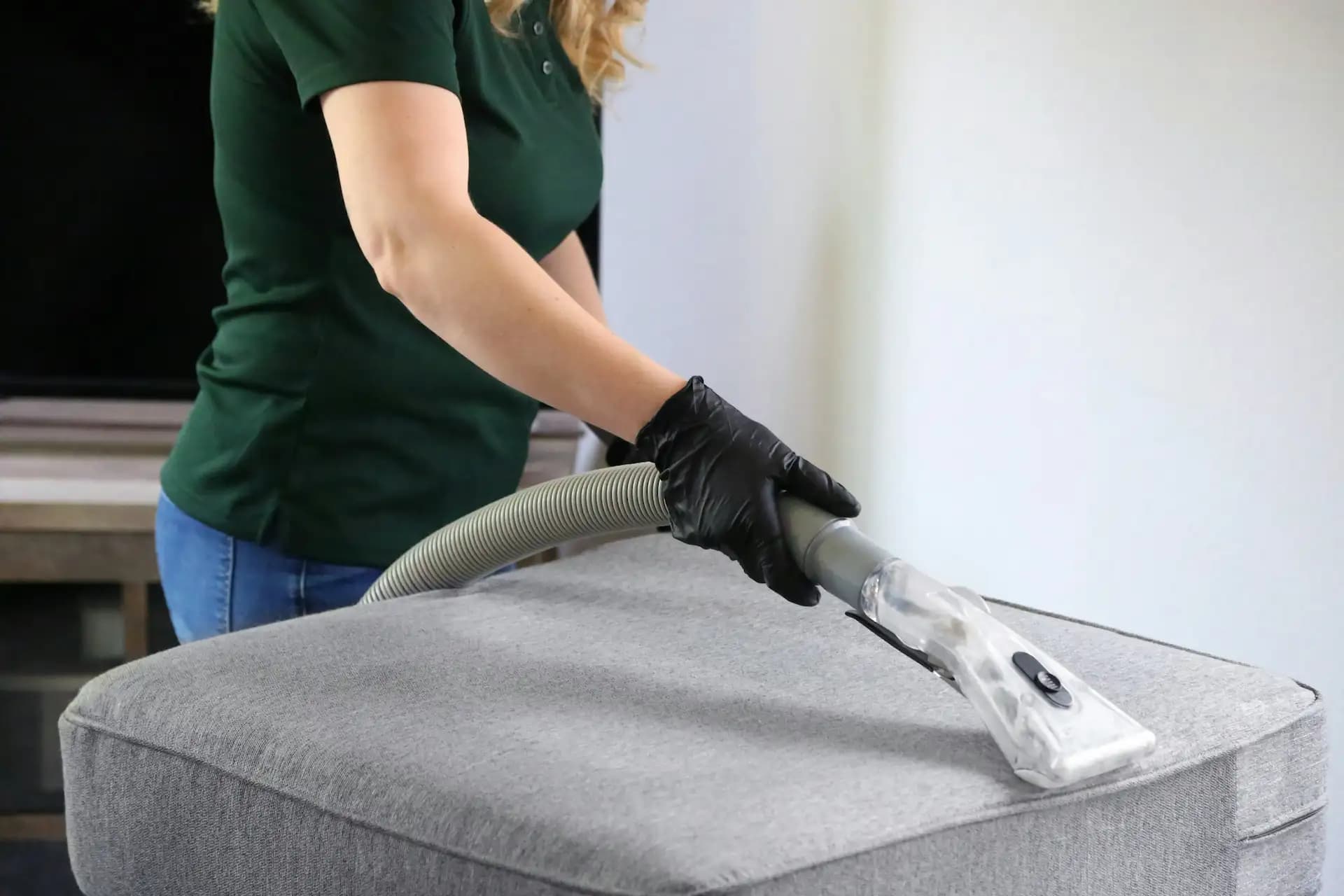
Evaluation and cleaning of furniture, household items, equipment, and other belongings affected by leaks, flooding, or plumbing failures.
Cleaning and restoration of salvageable belongings affected by smoke, soot, fire residue, or lingering odors.
Evaluation and documentation of belongings exposed to sewage or other contaminated water.
Assessment and cleaning of appropriate contents affected by prolonged moisture or mold contamination.
Contents services for furniture, clothing, household goods, decorations, personal belongings, and other residential property.
Documentation and restoration support for office furniture, equipment, inventory, records, and other commercial property.
When to Call
Damage may not always be limited to visible staining. Moisture, odors, residues, and contamination can remain inside or on affected items.
Furniture, boxes, fabrics, equipment, or personal belongings that are wet or damp may require immediate evaluation.
Black, gray, oily, or powdery residue may settle on furniture, decorations, equipment, and belongings throughout the property.
Smoke, sewage, mildew, and other odors may remain trapped inside fabrics, furniture, boxes, and porous materials.
Water lines, soot stains, yellowing, dark spots, or color changes can indicate damage to the material.
Wood furniture, cabinets, books, boxes, and other absorbent materials may swell, warp, separate, or lose their shape.
Belongings exposed to sewage, mold, chemicals, or heavy fire residue should be professionally evaluated before reuse.
Don't Wait
Water and fire damage spreads every hour. Acting now means less damage, a faster restoration, and a smaller insurance claim.
Call (907) 987-2916Our Process
Every contents loss is different, but professional restoration generally follows these core stages.
Affected belongings are inspected to determine the type and extent of damage and whether individual items may be salvageable.
Items may be photographed, categorized, and documented to support restoration planning and the insurance claim.
Contents are separated based on condition, material, contamination level, restoration potential, and customer priorities.
Salvageable items are cleaned using methods appropriate for their materials and the type of damage involved.
Wet or damp contents are dried when appropriate and reviewed to determine whether additional cleaning or treatment is needed.
Cleaned contents are prepared for return after the affected building areas are safe, clean, and ready to receive them.
What to Do
Protect your belongings and insurance claim by documenting the damage and avoiding cleaning methods that could cause additional harm.
Recommended
Avoid
Insurance Assistance
Frontier Restoration can photograph affected belongings, document their condition, prepare restoration estimates, and communicate with your insurance adjuster.
Coverage for belongings depends on the cause of the damage, policy limits, deductibles, exclusions, and whether the property is covered under residential or commercial contents provisions.
Claim Support
Coverage and payment decisions are made by the insurance carrier according to the terms of the property owner's policy.
Why Choose Frontier Restoration?
When your property is damaged, you need a restoration company that responds quickly, communicates clearly, and completes the work properly.
We work closely with insurance companies to ensure a seamless claims process and provide insurance-backed services.
We stand behind the quality of our work and make sure each restoration is completed correctly.
Our experienced restoration team knows how to assess damage, create a clear plan, and restore your property efficiently.
Property damage can become worse quickly. We respond promptly and keep you informed throughout the restoration process.
Common Questions
Find answers to common questions about our restoration process, response times, property damage, and insurance documentation.
Contents restoration involves evaluating, documenting, cleaning, drying, deodorizing, and coordinating the return of belongings affected by water, fire, smoke, soot, mold, or other property damage.
Restoration may be possible for certain furniture, clothing, household goods, decorations, equipment, and personal belongings. The outcome depends on the material, condition, contamination, and type of damage.
The decision depends on the item's material, value, condition, level of contamination, replacement cost, sentimental importance, and likelihood of successful cleaning or restoration.
Do not discard damaged belongings before photographing and documenting them unless they present an immediate safety hazard. Premature disposal may make the insurance claim more difficult.
Smoke odors can often be reduced or removed from appropriate salvageable items, but results depend on the material, amount of residue, heat exposure, and length of exposure.
Some nonporous items may be cleanable, but heavily contaminated porous belongings may not be safely salvageable. Each item should be evaluated based on its material and level of exposure.
Depending on the project, affected belongings may be documented, moved to a protected area, cleaned, or prepared for temporary storage until the property is ready for their return.
The timeline depends on the number of items, the type of damage, the cleaning methods required, the building-restoration schedule, and whether items must remain away from the property during repairs.
Coverage depends on the cause of the loss and the personal-property or business-property provisions in your policy. Your insurance carrier makes the final decision regarding coverage and payment.
Yes. We can document affected belongings, prepare estimates, and communicate with your insurance adjuster. Your insurance company makes the final decision regarding coverage and payment.